
Blood Sugar Management Resources
Comprehensive guides, research articles, and educational content to help you understand and manage your long-term blood sugar stability
The information on this site is for educational purposes only and does not constitute medical advice. Always consult a qualified healthcare professional before making health decisions.
Browse by Topic
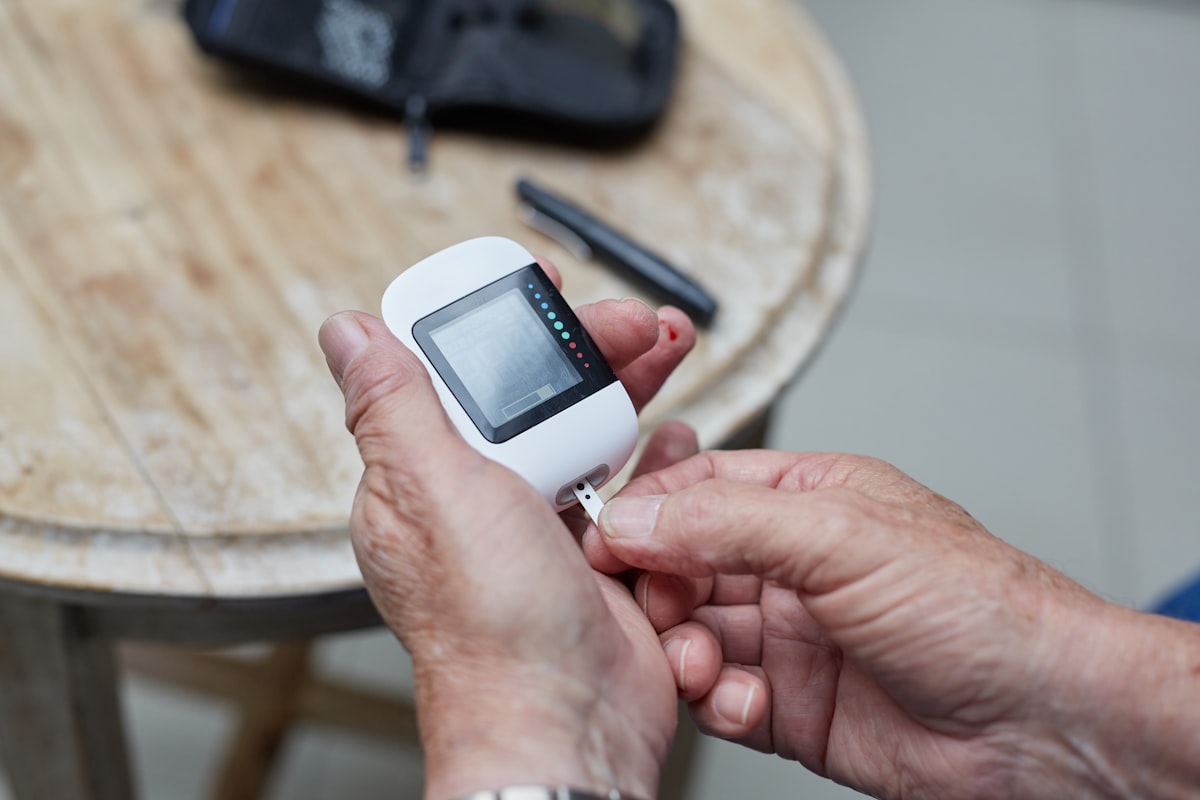
Comprehensive Glucose Monitoring Guide
Learn about continuous glucose monitoring systems, traditional testing methods, and how to interpret your readings. Understand the differences between various monitoring technologies and choose what works best for your lifestyle.
Read Full Article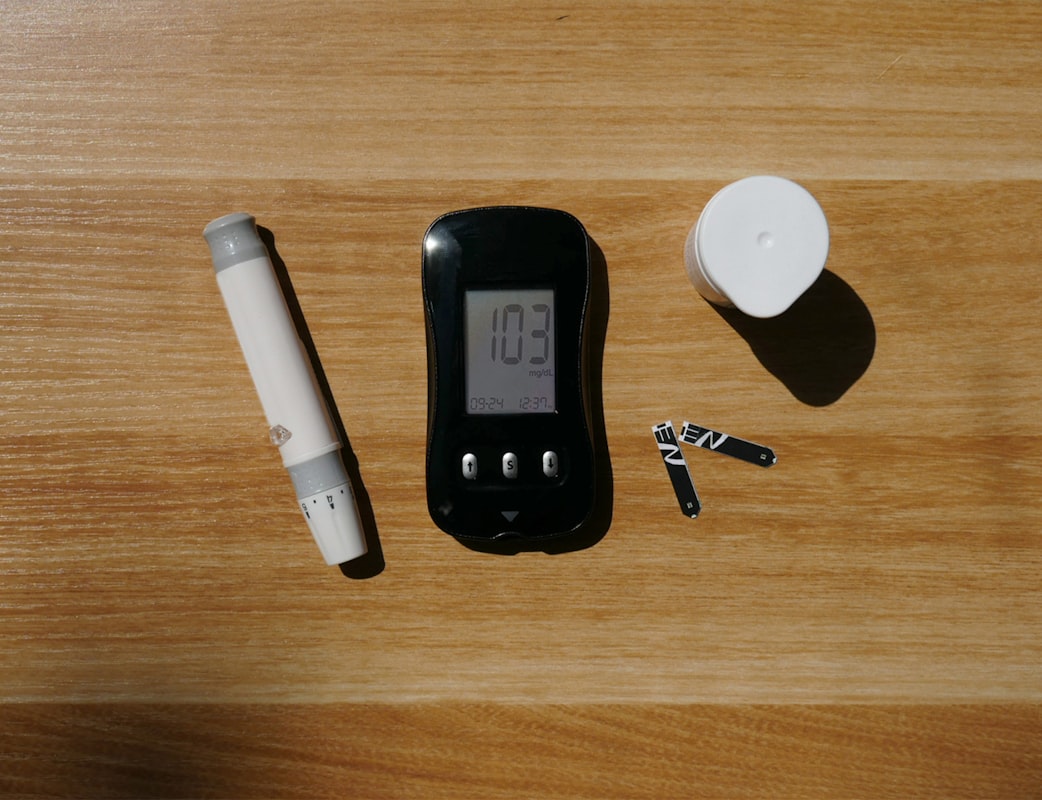
Balanced Meal Planning for Glucose Stability
Discover how macronutrient balance affects your glucose levels throughout the day. This detailed guide covers the role of carbohydrates, proteins, and healthy fats in maintaining consistent energy and stable blood sugar readings over time.
Explore Nutrition Guide
Exercise and Physical Activity Impact
Understand how different types of physical activity influence your glucose patterns. This comprehensive resource explains aerobic exercise, resistance training, and daily movement, with practical guidance on timing and intensity for optimal glucose management.
Learn More
Sleep Quality and Stress Management
Explore how sleep patterns and stress levels affect your glucose regulation. This evidence-based guide demonstrates the connection between quality rest, cortisol levels, and blood sugar stability, plus practical strategies for improvement.
Read Article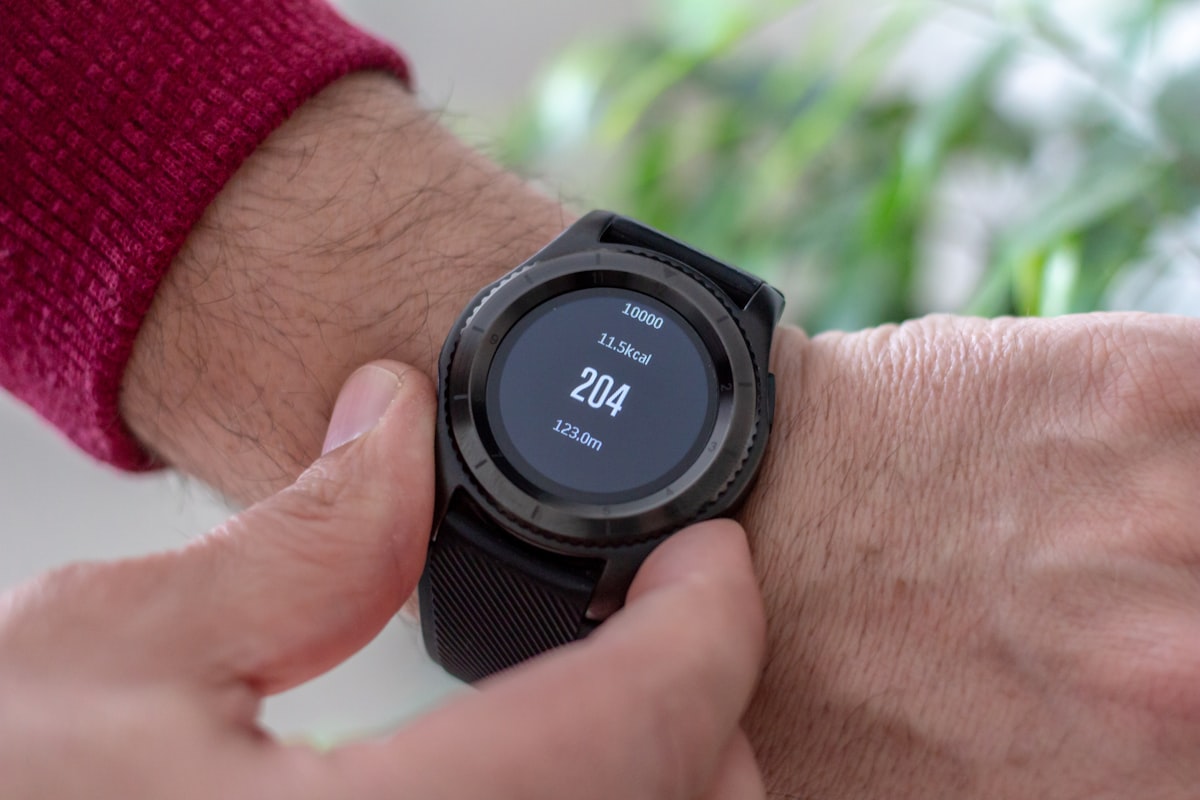
Latest Research on Blood Sugar Patterns
Review peer-reviewed findings on long-term glucose management strategies. This resource synthesizes current research on metabolic factors, individual variability, and evidence-based approaches to maintaining healthy glucose levels throughout your life.
Discover Findings
Sustainable Management Strategies
Our editorial team shares practical, evidence-based strategies for long-term glucose management success. Learn how to build sustainable habits, track progress, and adapt your approach based on real-world results and lifestyle changes.
Explore Strategies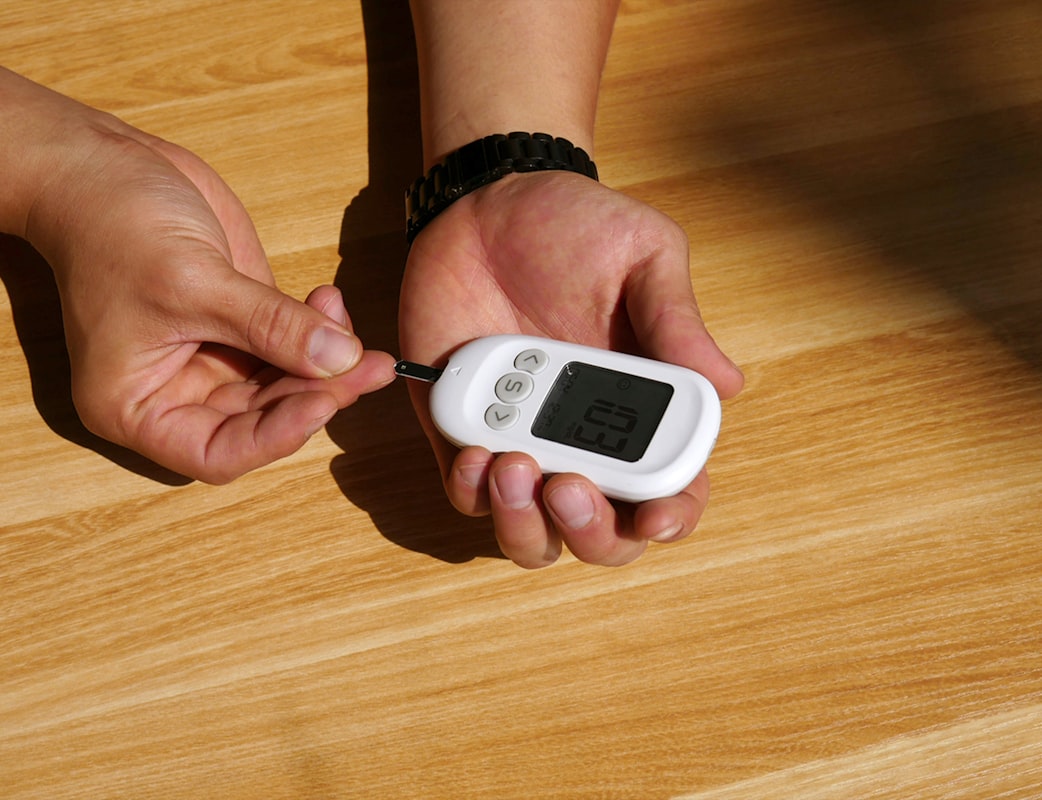
Digital Tools for Tracking Progress
Evaluate smartphone apps, wearable devices, and online platforms designed for glucose monitoring. This detailed review covers features, user experience, data security, and how to select tools that match your personal management approach.
Browse Tools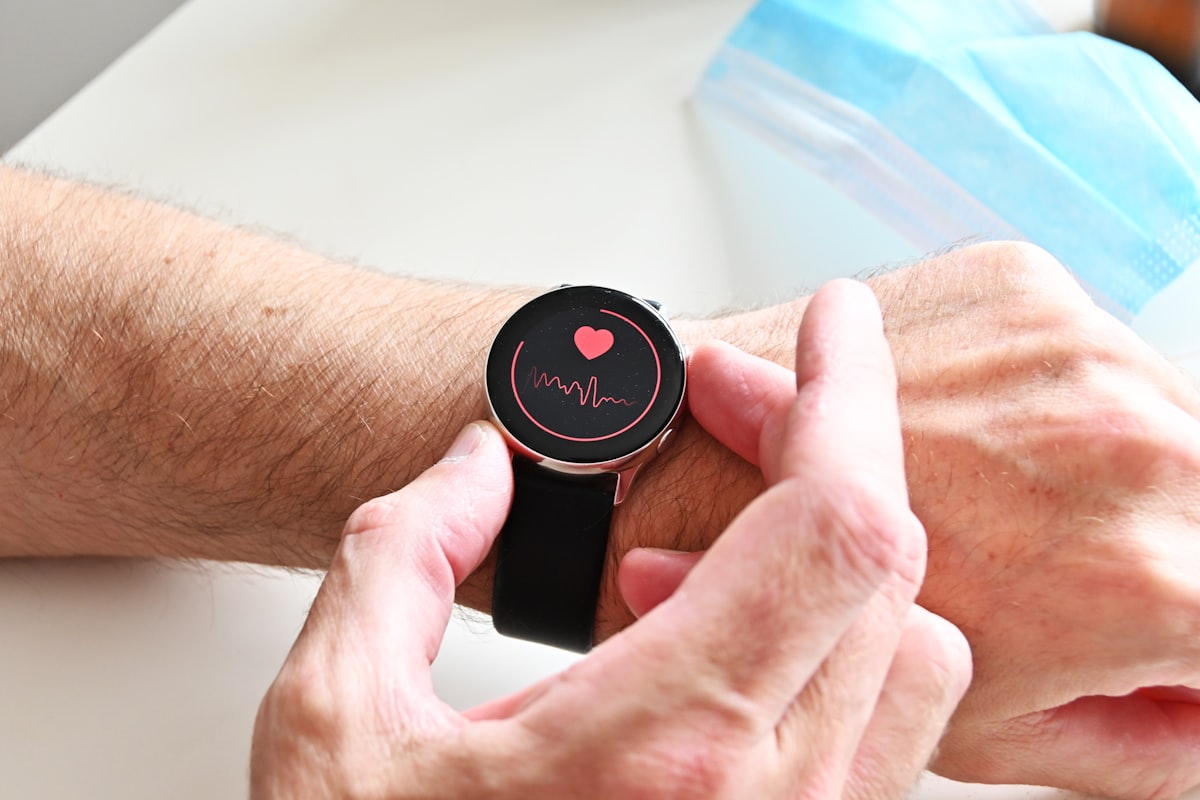
Individual Glucose Variability Explained
Learn why your glucose patterns differ from others and how to interpret your unique data. This guide covers personal factors affecting glucose response, pattern recognition, and strategies for making decisions based on your individual profile.
See FAQFrequently Asked Questions
Continuous glucose monitoring systems provide real-time glucose readings throughout the day and night, offering a complete picture of your glucose patterns and trends. Traditional fingerstick testing provides point-in-time readings, typically several times per day. Continuous systems help identify patterns and variability that might be missed with periodic testing, making them valuable for understanding your unique glucose response to foods, activity, and stress.
The most effective approach is systematic monitoring: test your glucose before and 2-3 hours after eating specific foods while keeping other variables constant. Track both the food and your glucose response. You may notice that individual foods affect you differently than others due to factors like meal composition, portion size, food preparation, and your activity level at the time. Over weeks, patterns emerge showing which foods and combinations lead to stable glucose versus noticeable rises.
Regular physical activity significantly improves how your body handles glucose. Exercise increases glucose uptake by muscles, improves insulin sensitivity, and helps with weight management — all factors supporting stable glucose. However, exercise works best as part of a comprehensive approach that also includes dietary choices, stress management, and adequate sleep. The combination of these lifestyle factors creates more sustainable results than any single approach alone.
Regular review periods help identify what's working and what needs adjustment. Many people find reviewing their data monthly provides enough information to spot patterns and make meaningful changes. Seasonal changes, activity level shifts, and life stress all affect glucose patterns, so periodic reassessment ensures your strategies remain effective. Keeping detailed records of your choices and glucose responses makes it easier to identify which adjustments have the most impact.
Proper hydration supports kidney function, which plays a role in glucose filtering and regulation. Dehydration can concentrate glucose in your bloodstream, making readings appear higher. Additionally, thirst is sometimes confused with hunger, leading to unnecessary food consumption. Maintaining consistent hydration throughout the day supports overall metabolic function. Most guidelines recommend adequate water intake, though individual needs vary based on activity level, climate, and other factors.
Expand Your Knowledge
Our editorial team continuously publishes new research summaries, practical guides, and expert perspectives on long-term glucose management. Stay informed with the latest evidence-based content.